Can Moisturizer Cause Acne? What to Check When You Break Out
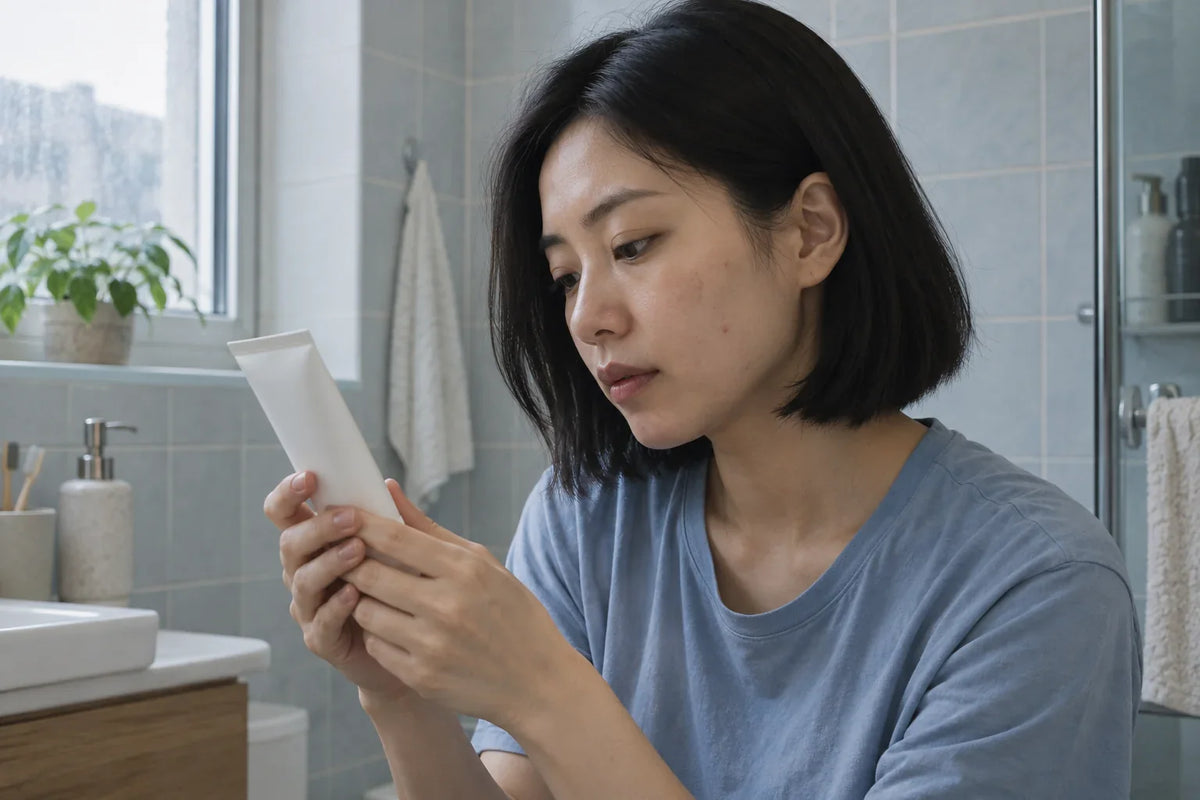
Some skincare products can contribute to breakouts, so a moisturizer may be part of the picture. But acne that appears after you start a cream does not prove that cream caused it. Look at the formula, the timing and everything else that changed. Moisturizer can still have a useful place in an acne-prone skin routine.
When it feels as though “every moisturizer breaks me out,” another round of product shopping can be frustrating. A clear record is more useful than a growing list of ingredients to avoid based on guesswork.
Why the answer is more complicated than one ingredient
The National Institute of Arthritis and Musculoskeletal and Skin Diseases (NIAMS) explains that acne involves inflamed, blocked hair follicles. Oil, dead skin cells and bacteria are involved, with other factors including hormones. An ingredient list cannot explain all of those influences.
The AAD notes that some skincare and haircare products can contribute to acne. Its guidance also warns against frequently switching treatments and harsh scrubbing. A new moisturizer is worth considering, but so are a new hair product, a different sunscreen and a suddenly more aggressive routine.

Keep a product-change diary
This worksheet is a way to organize observations for yourself or a dermatologist. It is not a home diagnostic test.
Copy the blank record below into your notes or print it and write in the spaces. Use another copy when something changes, keeping the earlier entry so the sequence stays clear. Record observations rather than a verdict about which product is responsible.
| What to record | Your notes |
|---|---|
| Product Name, complete ingredient list or label photo, and date first used. | Date of entry: __________ ____________________________ ____________________________ |
| Use Morning or evening, amount, areas applied, and products layered with it. | Date of entry: __________ ____________________________ ____________________________ |
| Other changes Skincare, haircare, makeup, medication, or routine frequency. | Date of entry: __________ ____________________________ ____________________________ |
| What appeared Describe bumps, discomfort, itching, or flaking without deciding the diagnosis. | Date of entry: __________ ____________________________ ____________________________ |
| Timing and location When you first noticed it and which areas changed. | Date of entry: __________ ____________________________ ____________________________ |
| Next discussion Questions for a clinician and any advice received. | Date of entry: __________ ____________________________ ____________________________ |
Fictional worked example: keeping uncertainty visible
The following example is invented for illustration; it is not a customer result or a recommended treatment plan. “Monday: started Cream A in the evening on cheeks and jaw; kept a photo of its label. Wednesday: also changed to Sunscreen B in the morning. Friday: noticed several small bumps along the jaw; no conclusion about the cause. Question for a clinician: could either change, or something else, help explain what I noticed?”
The useful detail is the sequence and the second change. The entry does not establish that Cream A caused acne, that Sunscreen B is safe, or that continued use will settle the problem. Avoid deliberately reapplying a product that caused a reaction just to establish a connection.
Before trying another cosmetic, read how to test a new skincare product at home. That small-area use test and this record have different jobs; neither can guarantee that a product will not cause later breakouts.
If you are wondering whether new blemishes are a purge, our skin purging versus breakouts comparison explains which observations help and why they cannot confirm a cause.
What does non-comedogenic actually tell you?
The AAD recommends looking for oil-free or non-comedogenic options when choosing moisturizer for acne-prone skin. These labels can help narrow the search; they do not guarantee an individual result. See its guide to moisturizer and acne.
A heavy-feeling texture, one ingredient on a social-media “pore-clogging” list, and a confirmed cause of your acne are different things. Avoid turning a formula comparison into a diagnosis. Our gel versus cream moisturizer guide helps compare texture and finish without claiming one format suits everyone.
Should you stop moisturizing altogether?
A reaction to one formula does not answer whether your routine needs moisture support. Some acne treatments can leave skin dry, and a suitable moisturizer can help with tolerability. Bring the exact treatment and moisturizer names to your pharmacist or dermatologist if you are unsure how to combine them.
If shine is your main concern, read whether oily skin needs moisturizer. If the issue is burning rather than new blemishes, use our separate moisturizer stinging checklist. Different symptoms need different questions.
Where Veridermis fits—and where it does not
Veridermis Centella Face Cream is a cosmetic moisturizer. Its formula includes glycerin, shea butter, niacinamide and Centella ingredients; we do not claim it is an acne medication, oil-free or tested as non-comedogenic. Read the full INCI and choose according to your tolerance and professional advice. You do not need to switch to it to follow this guide.
Deep, painful breakouts, scarring or acne that is not improving deserve a clinician’s attention. Moisturizer selection should not delay appropriate acne treatment.
Questions, answered
Does a breakout after a new cream prove that it caused acne?
No. The timing is a clue, but other products and acne-related factors may have changed too. A product diary can make the history clearer for a clinician.
Is every rich cream bad for acne-prone skin?
Texture alone cannot predict your individual response. Consider the whole formula, relevant labeling and your own history rather than treating all creams as the same.
Is Veridermis face cream an acne treatment?
No. It is a cosmetic moisturizer, not an acne medicine, and we do not claim that it is non-comedogenic.
Written by Veridermis with AI assistance and linked public dermatology resources. This is general skincare education, not a diagnosis or individualized treatment plan. It has not been medically reviewed. Veridermis sells cosmetic skincare; our products are not acne medicines.