


Natural Ingredients

Cruelty-Free

Sensitive Skin Safe

Korean Formulation
five steps. one routine. centella in every layer.
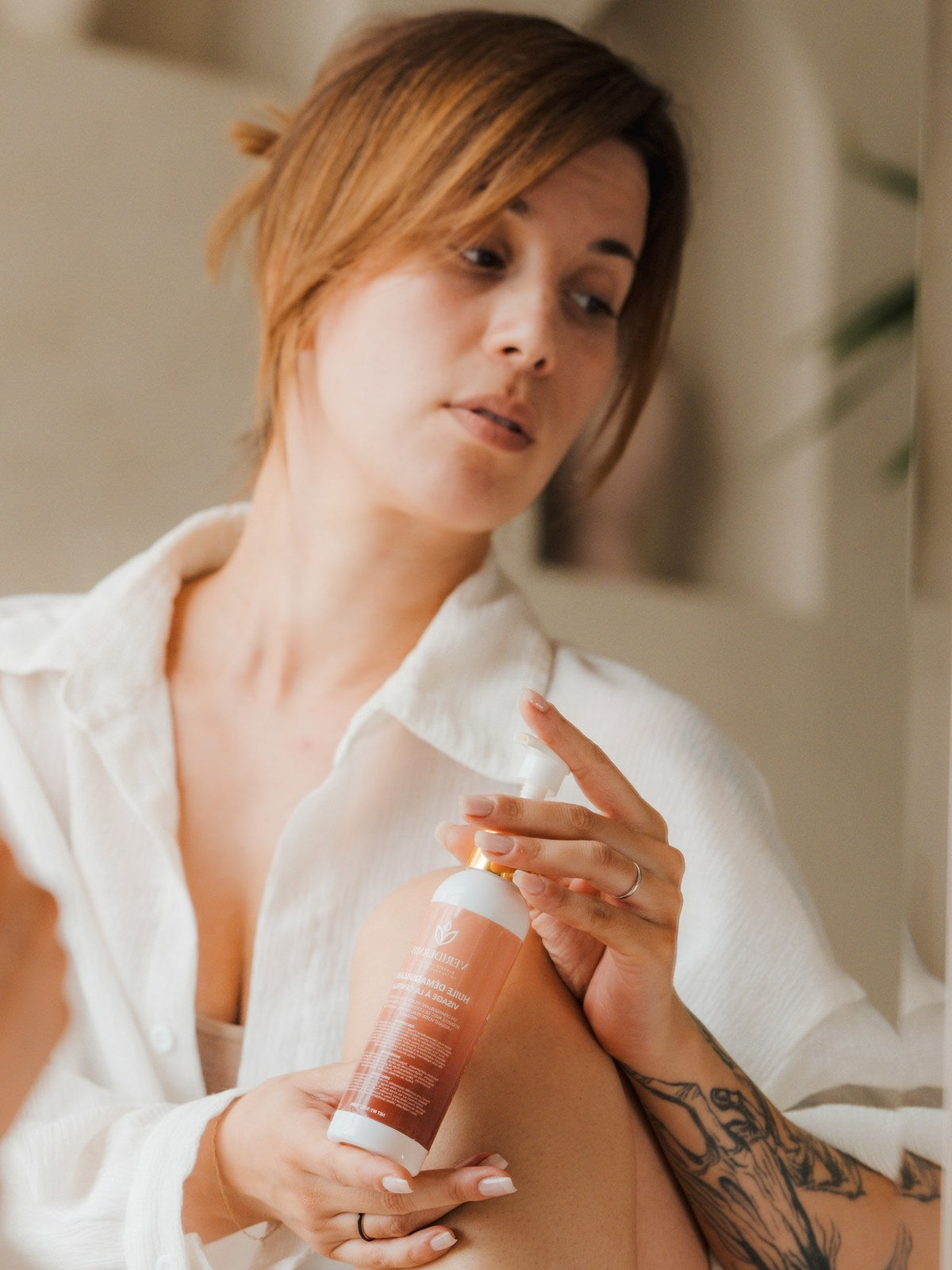
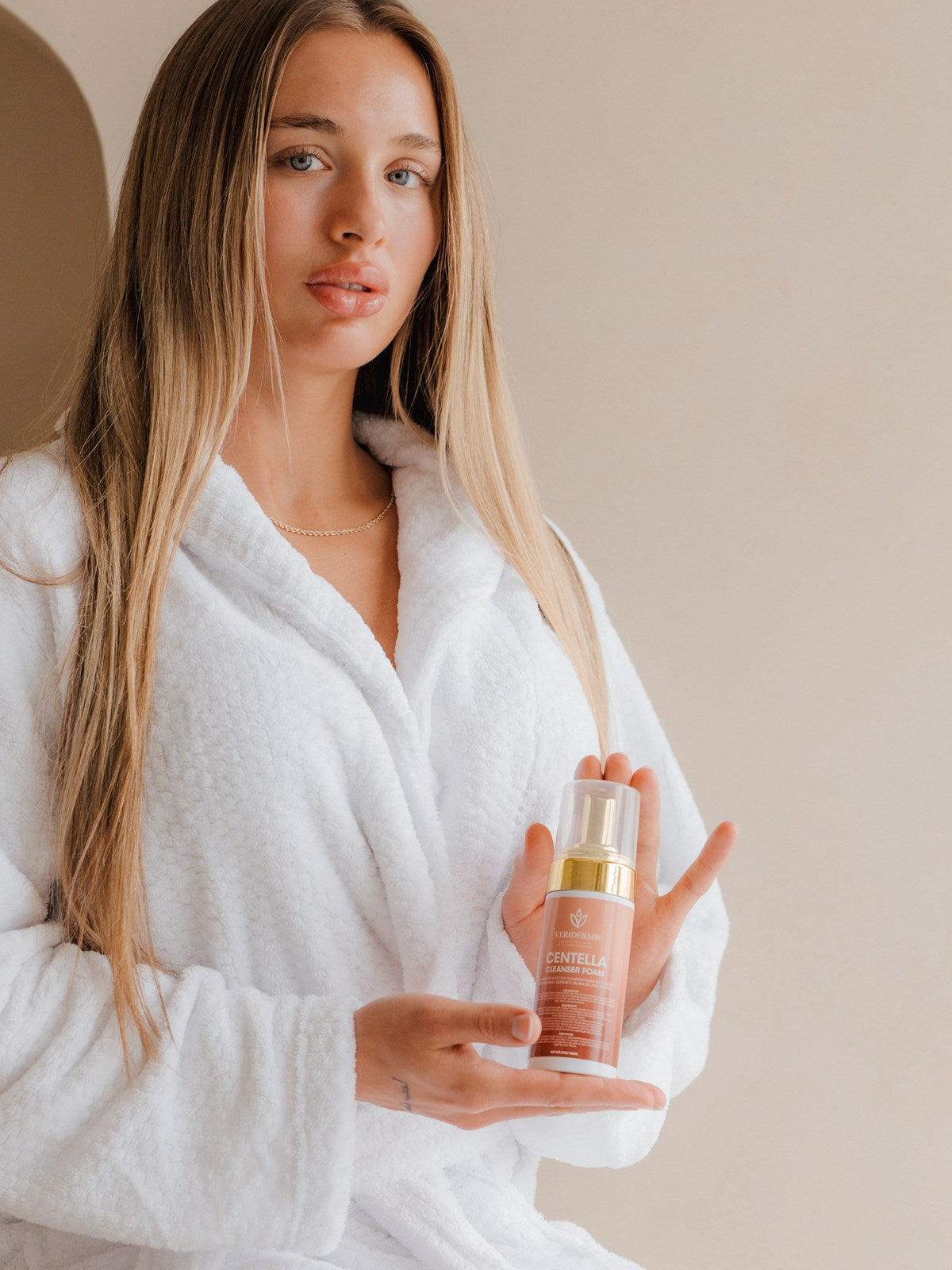
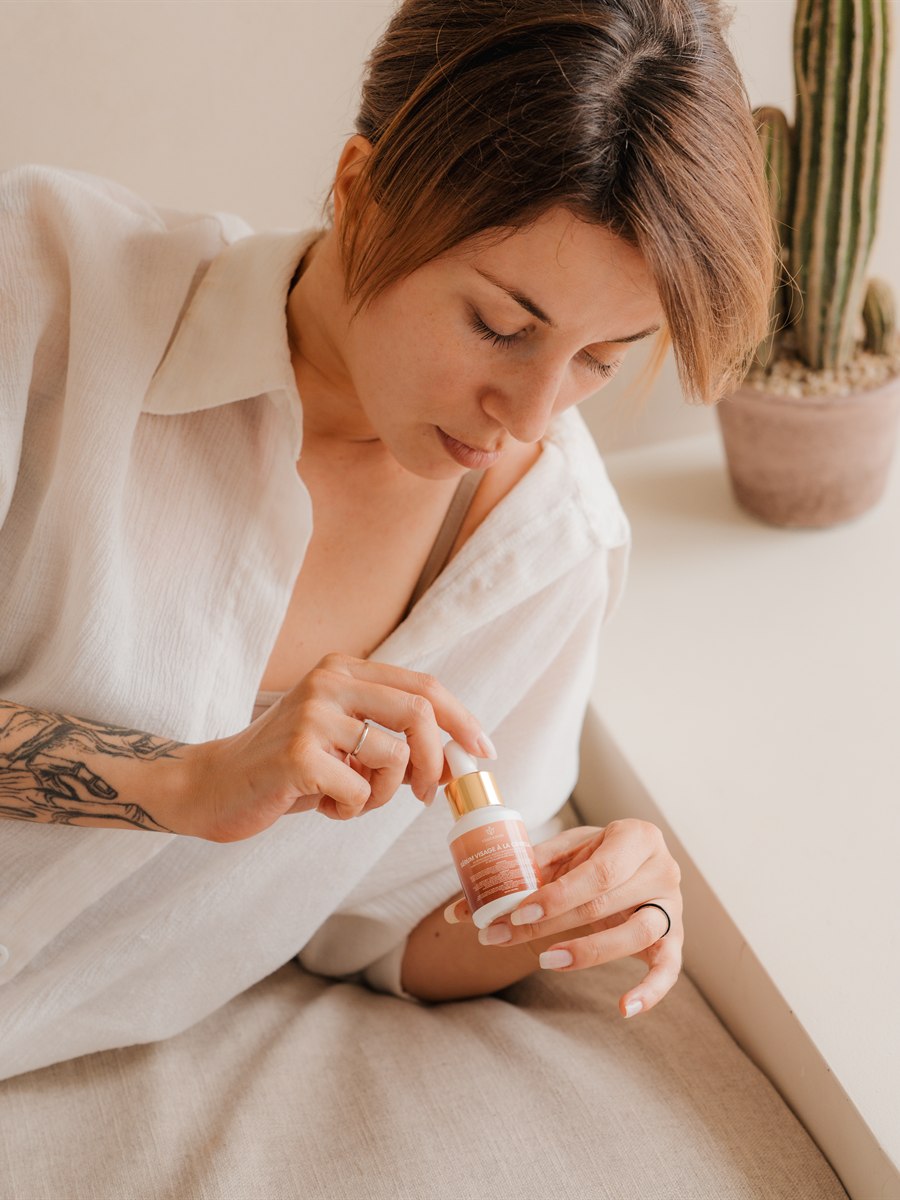

top sellers


what early users
are telling us
I added the Cleansing Oil and Toner first. Within two weeks the patches of redness on my cheeks were noticeably less. I am now using all five steps.

Maya T.
Verified buyer
I have cycled through five 'sensitive skin' brands this year. The Veridermis routine is the first one where my skin actually felt calmer after a week — not the same, calmer.

Christina R.
Verified buyer
I had tried Cica creams from the bigger Korean brands. The Veridermis routine works in the same gentle way, but I like that every step is built around the same hero ingredient. Less guessing, less product overload.

Sasha K.
Verified buyer
I was skeptical of another Centella brand. I have now reordered the Cleansing Oil twice. It removes my SPF without leaving my skin tight, which I had not gotten from anything else.

Olivia P.
Verified buyer
I bought just the Toner first to test it. It absorbed without leaving any tackiness, which has been a non-negotiable for me with my reactive skin. Two weeks later I came back and ordered the rest.

Priya S.
Verified buyer

what calmer skin can look like
from reactive to calmer.
Centella Asiatica's four soothing compounds — asiaticoside, madecassoside, asiatic acid, and madecassic acid — are well-studied for supporting the look of calmer, less reactive skin.
The Veridermis routine layers Centella through every step of the ritual. The calming effect compounds over weeks of consistent use. No miracle promise. Just steady care.
Illustrative imagery — your skin's results will vary.

Reactive

Calmer

what we stand for
a skincare brand built around truth.
We believe skincare should respect what your skin already does well. Every Veridermis formula is built around Centella Asiatica, free of fragrance and essential oils, and designed for sensitive, reactive, and barrier-stressed skin.
Ingredient Transparency
Skin Barrier First
Korean Skincare Philosophy
Minimalist Formulas
Questions, honestly answered.

What is Centella Asiatica?
Centella Asiatica is a herb (also called cica or tiger grass) that has been used for centuries in traditional Asian medicine for skin care and wound support. Its four key compounds — asiaticoside, madecassoside, asiatic acid, and madecassic acid — are studied for their soothing, antioxidant, and barrier-supporting properties. It is the calming hero ingredient in every step of the Veridermis routine.
Is the routine safe for sensitive and reactive skin?
Yes — every product in the routine is designed for sensitive, reactive, and barrier-stressed skin. All five formulas are fragrance-free, essential-oil-free, and free of common irritants like alcohol denat. Centella Asiatica is especially well-tolerated and is often recommended by dermatologists for skin recovering from over-treatment or irritation.
How long until I see results?
Most users notice their skin feeling calmer within the first 1–2 weeks of consistent daily use. Visible improvements in tone and texture typically emerge between weeks 3 and 6. Centella works cumulatively — the longer it is layered into your routine, the more its barrier-supporting effects build.
Can I use this with my retinol, vitamin C, or AHA/BHA?
Yes. Centella is one of the most active-friendly ingredients in skincare. The Veridermis routine is designed to layer alongside actives — many people use the Toner, Serum, and Cream specifically as a buffer over retinoids or chemical exfoliants to help reduce irritation. Apply your active first, wait until absorbed, then layer the Centella products on top.
Will it help with acne or post-acne marks?
Centella is well-studied for helping soothe the look of inflamed, reactive skin — which is helpful for people whose acne is exacerbated by irritation. It is not a treatment for acne itself (we do not make medical claims). For lingering post-acne marks, Centella combined with a brightening agent like niacinamide tends to perform better than Centella alone over 6–12 weeks.
Is it safe to use during pregnancy or breastfeeding?
Topical Centella Asiatica is generally considered low-risk and is one of the few skincare ingredients dermatologists often allow during pregnancy. The Veridermis routine contains no retinoids, no salicylic acid, and no high-dose actives flagged for pregnancy. That said — we are not your doctor. Always check with your OB-GYN or a dermatologist before changing your routine during pregnancy or breastfeeding.
Do I have to use all 5 steps?
No. The routine is designed to compound — using all five steps gives the best results because Centella appears in every layer. But if you are starting out, a great entry point is just the Cleansing Oil + Serum, or the Toner + Serum + Cream. You can build up over time as your skin adapts.
What's the difference between cica, centella, and madecassoside?
Same plant, different words. Centella Asiatica is the botanical name. Cica is a marketing shorthand from cicatrisation (the medical term for wound closure). Madecassoside is one of the four key active compounds isolated from Centella — often considered the most studied for its calming properties. A good Centella product will list either the whole-plant extract or specific isolated compounds — sometimes both.